The Complete Guide to
Camping in Michigan
Everything you need to plan the perfect outdoor escape — from the wild shores of the Upper Peninsula to the dunes of Lake Michigan. For first-timers and seasoned Michiganders alike.
Michigan is, without argument, one of the finest camping destinations in North America. More freshwater coastline than any state outside Alaska. Two peninsulas separated by the cold turquoise narrows of the Straits of Mackinac. Forests that run for a hundred miles without a stoplight. And somewhere between all of that — your next great campsite, waiting.
Whether you're a family loading up the minivan for the first time, a solo backpacker looking for a week of silence in the Porcupine Mountains, or an RV-er chasing lakefront hook-ups from Traverse City to Drummond Island — this guide covers everything you need to know to camp Michigan well.
- 01 Best Seasons to Camp in Michigan
- 02 Michigan's Camping Regions, Explained
- 03 What to Pack: The Michigan Camping Kit
- 04 Rules, Permits & Leave No Trace
- 05 Our Top Campground Picks
- 06 How to Book & What to Know
The Best Seasons to
Camp in Michigan
Michigan's four seasons aren't a suggestion — they're a feature. Each one transforms the landscape into something genuinely different. Knowing when to go changes everything about the trip you'll have.
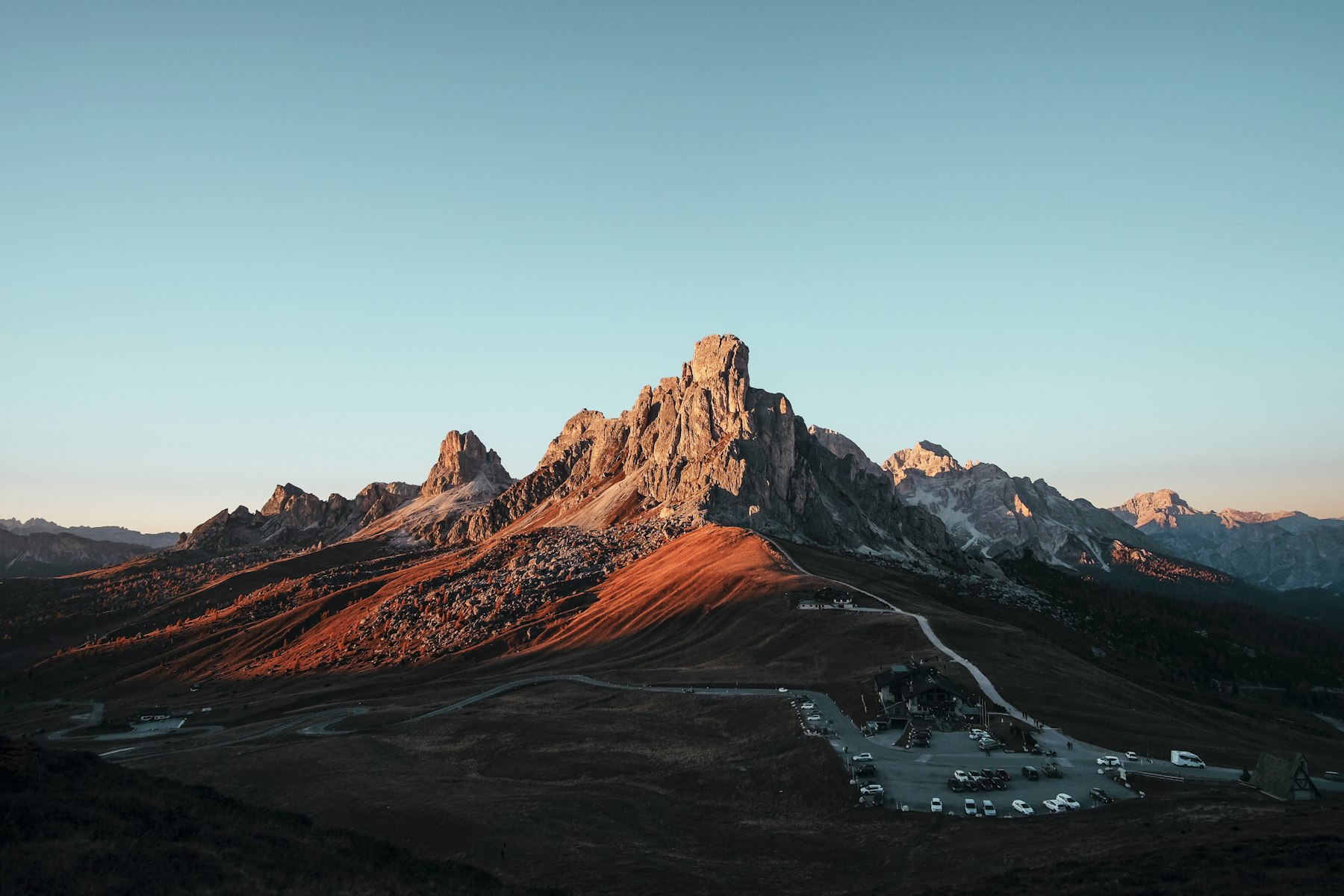
Fall color in Michigan's northern Lower Peninsula, typically peaks mid-October.
| Season | Dates | Conditions | Crowds | Best For |
|---|---|---|---|---|
| Spring 🌱 | Late Apr – May | 40–65°F, muddy trails, wildflowers | Low | Birding, fishing opener, solitude |
| Summer ☀️ | Jun – Aug | 65–85°F, warm lakes, peak busy season | High | Swimming, festivals, family trips |
| Fall 🍂 | Sep – Oct | 45–65°F, brilliant color, cooler nights | Medium | Foliage, hiking, photography |
| Winter ❄️ | Nov – Mar | 10–30°F, heavy UP snowfall | Very Low | Snowshoeing, ice fishing, solitude |
Summer is Michigan's peak season, and for good reason — warm lake temperatures, long daylight hours, and the full energy of Michigan's outdoor culture. But it comes with booking challenges. Popular state park campgrounds on the west coast (Silver Lake, Sleeping Bear, P.J. Hoffmaster) can book out months in advance for July and August weekends. If summer is your window, reserve early — 6 months out for the most coveted spots.
Fall camping in the Upper Peninsula feels like having the whole state to yourself. The leaves turn, the heat breaks, and suddenly you remember why you fell in love with Michigan in the first place.
— Sara Lemke, CampgroundsInMichigan.com
Michigan's Camping Regions,
Explained
Michigan isn't one landscape — it's seven or eight, stacked inside two peninsulas. Which region you choose determines everything: the terrain, the vibe, the crowds, and the memories you'll make.
Here's how we break it down for campers.
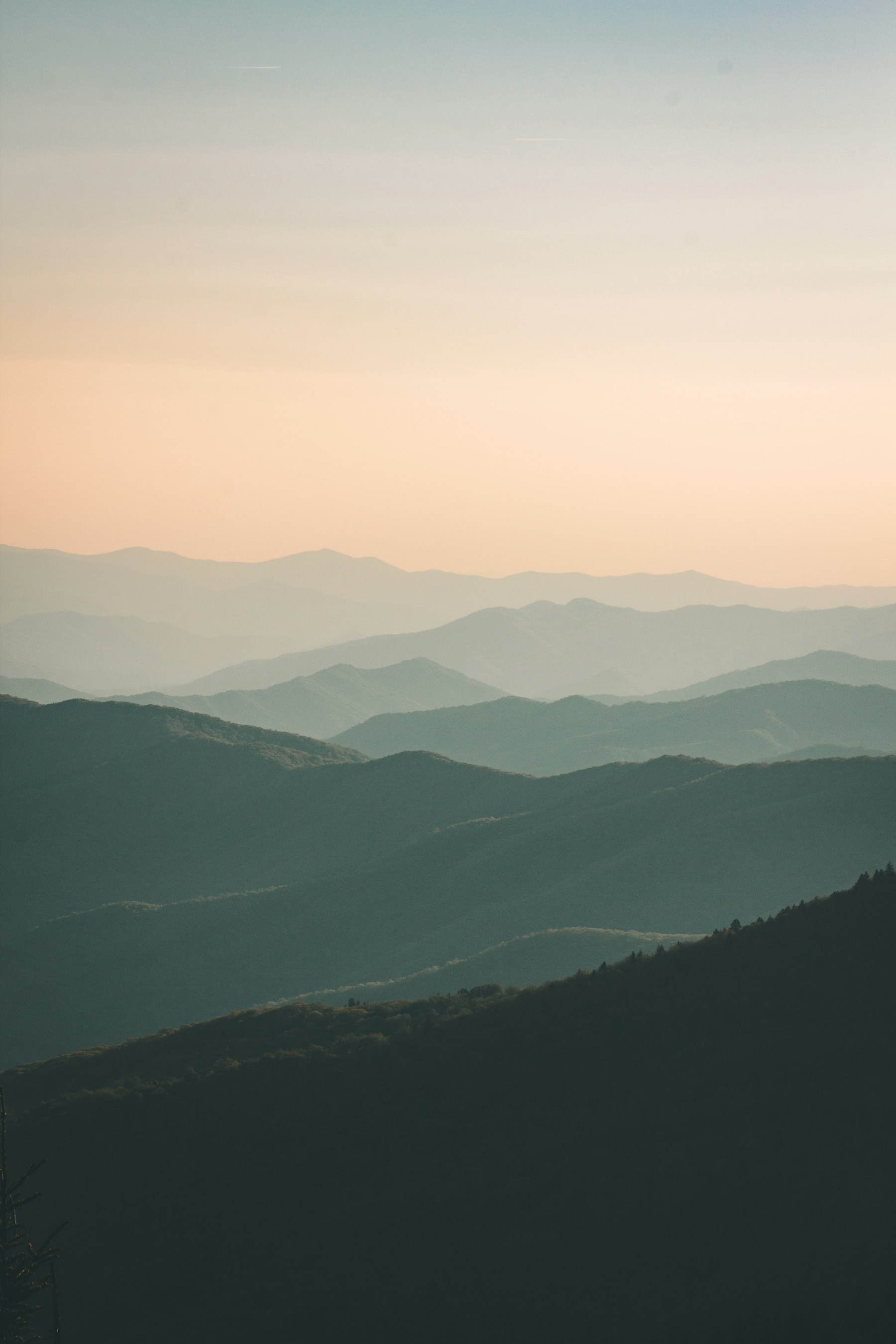
The Upper Peninsula — Michigan's wild north country — covers 29,000 square miles and holds the majority of the state's most dramatic landscapes.
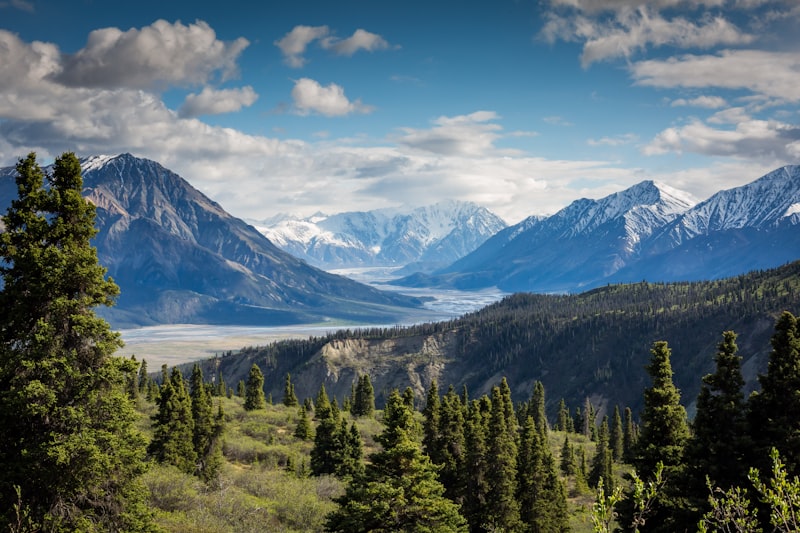
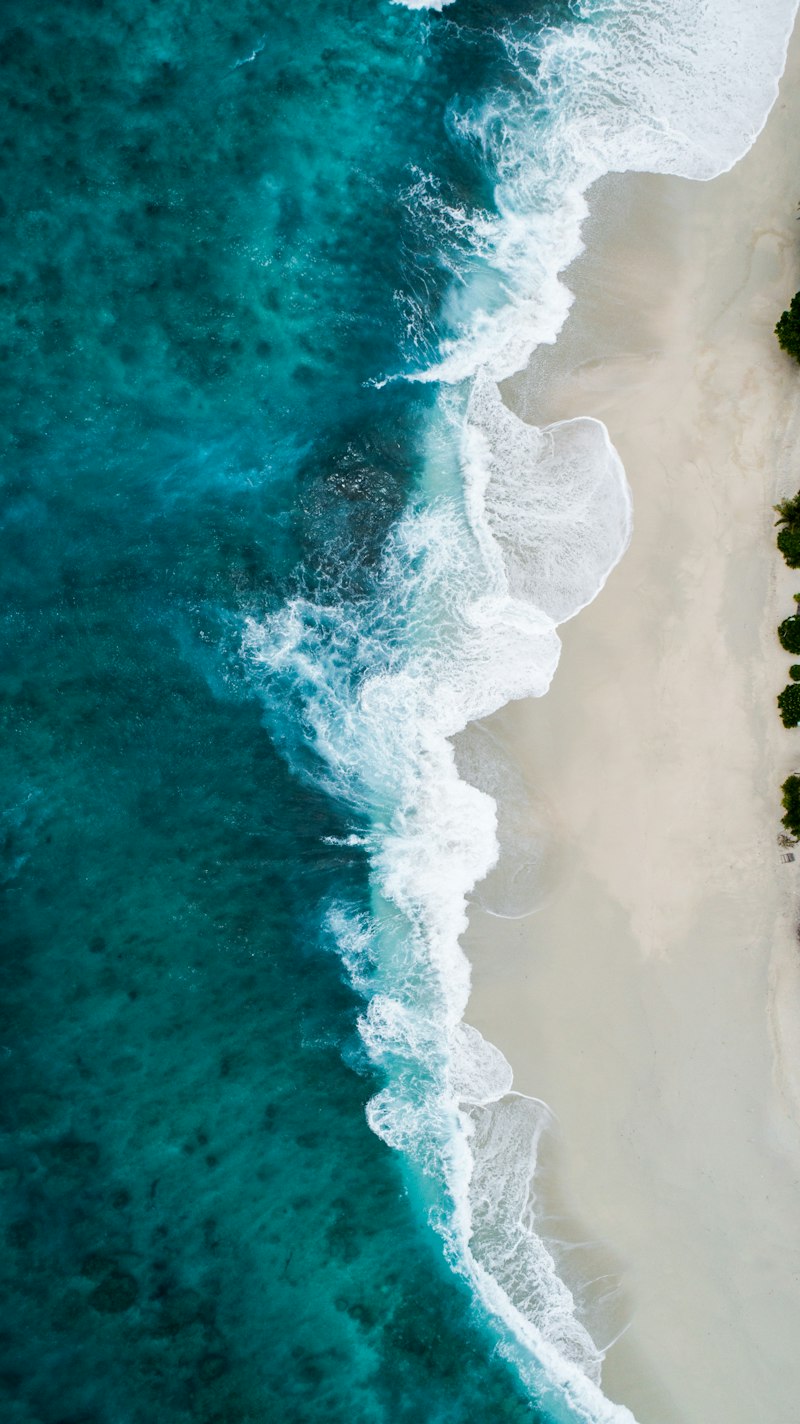
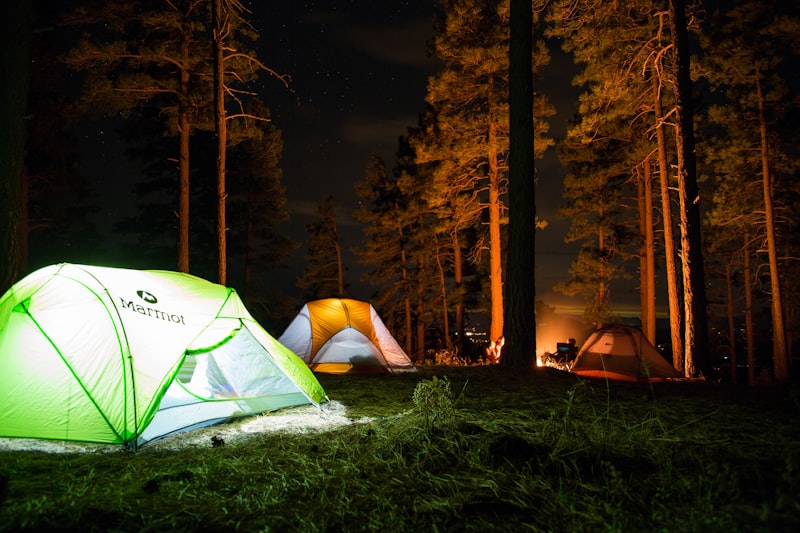
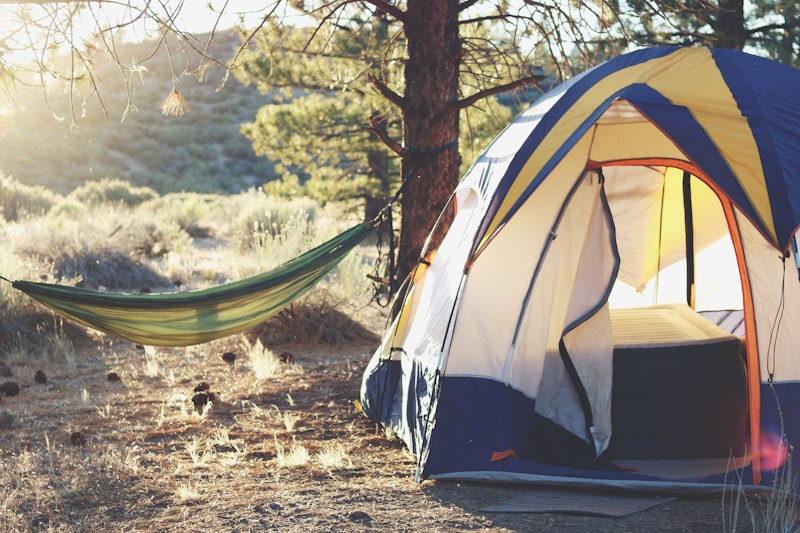
The Upper Peninsula is Michigan's crown jewel for serious campers. With fewer than 300,000 permanent residents spread across 29,000 square miles, it's one of the most sparsely populated regions east of the Mississippi. Pictured Rocks National Lakeshore, Porcupine Mountains Wilderness State Park, and the Huron Mountains offer wilderness experiences you simply cannot find in most of the Lower 48.
West Michigan's lakeshore is the postcard version of Michigan camping — towering sand dunes, turquoise Lake Michigan water, and some of the most spectacular sunsets on the planet. It's also Michigan's most popular camping corridor, so planning ahead is essential. Sleeping Bear Dunes National Lakeshore and P.J. Hoffmaster State Park anchor the region.
What to Pack:
The Michigan Camping Kit
Michigan camping has a few quirks that catch first-timers off guard. Temperatures swing hard — a July night in the UP can drop into the 40s. Bugs are real from May through August. And rain is a feature, not a bug.
Rules, Permits &
Leave No Trace
Michigan's wild spaces stay wild because people follow the rules. A few key things every Michigan camper should know before leaving home.
Lake Superior shoreline near Pictured Rocks — one of Michigan's most protected and beloved landscapes.
- Michigan Recreation Passport: Required to enter Michigan State Parks. It's $12/year for Michigan residents and attached to your license plate at renewal — one of the best outdoor deals in the country. Non-residents pay a daily or annual fee at the gate.
- Campfire Restrictions: Michigan DNR issues fire bans during dry conditions, particularly in summer. Always check the current fire danger level at michigan.gov/dnr before building any open fire, even in designated rings.
- Bear Country in the UP: The Upper Peninsula has a healthy black bear population. Store all food, toiletries, and scented items in your car or a bear canister when not in use. Never leave food in your tent, ever.
- Fishing License: Michigan requires a fishing license for anyone 17 and older. Buy one at michigan.gov/dnr or any sporting goods store. License checks by Conservation Officers are common at popular spots.
- Leave No Trace: Pack out everything you pack in. Michigan's water quality and forest health depend on every camper taking this seriously. The two most common violations: leaving gray water near waterways, and burying waste without a proper cat hole (6 inches deep, 200 feet from water).
- Invasive Species: Don't transport firewood more than 50 miles. Don't launch watercraft without inspecting for aquatic invasives (required by law at many boat launches). These rules protect Michigan's ecosystems — and its economy.
Our Top Michigan
Campground Picks
We've visited hundreds of Michigan campgrounds. These are the ones that stick with you — the ones you find yourself telling people about a year later.
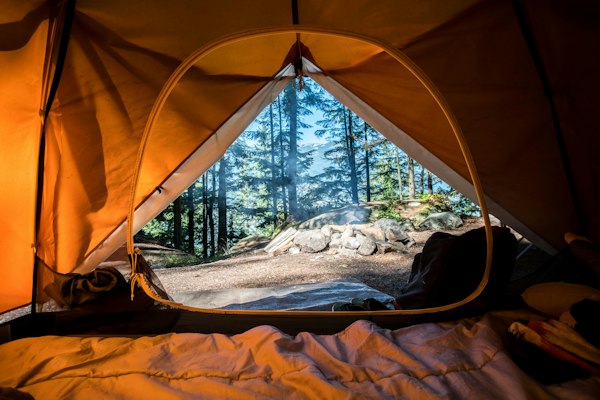
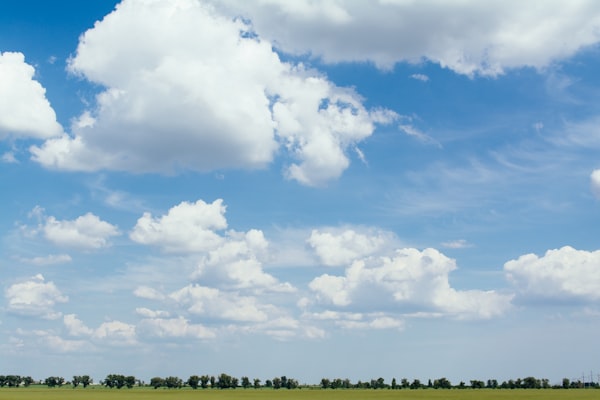
These three represent the crown jewels — but Michigan has hundreds of extraordinary campgrounds that don't make the national headlines. Our full directory, sortable by region, amenity, and type, is the best place to find the one that fits your trip.
How to Book &
What to Know
Michigan's campground booking landscape has a few quirks. Here's how to navigate it without frustration.
- Michigan State Parks (DNR sites): Book at michigan.gov/dnr or via the MI State Parks app. Reservations open 6 months in advance to the day. For July and August at popular parks, set a calendar reminder for exactly 6 months before your desired arrival date — spots go within hours.
- National Park & Forest Sites: Pictured Rocks and Sleeping Bear Dunes campgrounds book through recreation.gov. Some national forest sites are first-come, first-served — worth knowing if you're flexible.
- Private Campgrounds: Michigan has hundreds of outstanding privately-owned campgrounds, many with amenities state parks don't offer (full hookups, WiFi, pools, playgrounds). Many are listed right here on our directory and book directly through the property.
- Campsite Alerts: Recreation.gov and the DNR system both offer cancellation alerts. Enable them — summer cancellations happen more often than you'd think, and this is how people snag last-minute prime spots.
- Call the Campground: Old school, but effective. For private campgrounds especially, a quick phone call often surfaces availability the website doesn't show, and you'll sometimes get insider advice on the best specific sites within the campground.
Ready to Find Your Michigan Campground?
Browse our full directory of 800+ verified Michigan campgrounds — searchable by region, type, amenities, and more. Always free.
🔍 Search All Campgrounds →Michigan will reward the time you put into planning. The state's outdoor heritage is real, its landscapes are extraordinary, and its camping culture — from the UP die-hards who show up in October to the families who've been going to the same West Michigan park for three generations — is one of the warmest in the country. Get out there.